
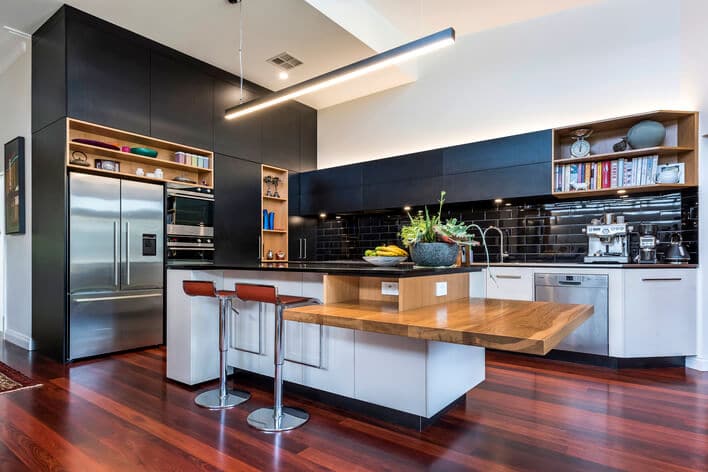
A full home renovation for a Dubai villa typically costs AED 250,000-1,500,000 and takes 6-24 weeks, depending on finish level, size and community. Partial refreshes sit at the lower end; full civils, MEP and luxury fit-outs at the top. Developer NOC and Dubai Municipality approval come first, and figures are confirmed only after on-site survey.
- Arabian Ranches and Dubai Hills (Emaar) villas need a master developer NOC: allow 10-20 working days.
- Partial refresh: AED 250,000-450,000 over 6-10 weeks for paint, flooring, joinery refresh and light finishes.
- Full standard renovation: AED 450,000-800,000 over 12-18 weeks, covering civils, MEP and full finishes.
- Luxury villa fit-out: AED 800,000-1,500,000 over 18-24 weeks with bespoke joinery and imported stone.
- Palm Jumeirah and Jebel Ali fall under Trakhees: allow 15-25 working days for approval.
- Typical cost
- AED 250K – AED 1.5M
- Timeline
- 6-24 weeks
- Approvals
- Master developer NOC (Emaar / Nakheel / DAMAC) · Dubai Municipality building / fit-out permit · Dubai Civil Defence fire and life safety approval · DEWA connection or modification approval · Trakhees permit (Palm Jumeirah, Jebel Ali) · DDA approval (DAMAC Hills 1)
Home renovation in Dubai, for most of our villa clients, means a coordinated programme of civil works, MEP upgrades and new finishes delivered under one contract, and the indicative budget for a full villa scope runs AED 250,000-1,500,000 over 6-24 weeks. Where a project lands inside that band depends on the drivers we assess at survey: finish level, materials sourcing, structural complexity and the developer approval cycle for your community. A paint, flooring and joinery refresh on a well-kept property sits near the lower end, while a gut-and-rebuild with new layouts, imported stone and smart-home integration sits near the top. First Unicorn Interiors has delivered 800+ projects with an in-house team of designers, site engineers and trades, so the people who measure your villa also draw the permit set, procure the materials and hand over the finished home. Every figure on this page is an indicative range rather than a quote; final cost is confirmed only after an on-site survey, and all pricing is in AED.
We group villa work into three tiers so budgets and expectations line up from the first meeting. A partial refresh costs AED 250,000-450,000 and takes 6-10 weeks: repainting, new flooring, a joinery refresh and lighter finishes, usually without moving walls or re-routing services. A full standard renovation costs AED 450,000-800,000 over 12-18 weeks and covers civils, MEP and full finishes, which typically means new kitchens and bathrooms, rewiring, re-piped wet areas, upgraded air conditioning and replaced ceilings. A luxury renovation costs AED 800,000-1,500,000 over 18-24 weeks and adds bespoke joinery, imported stone and smart systems for lighting, climate, shading and security. Landscaping is priced into a scope only when the client adds it. The tier you choose also shapes the approval path: cosmetic refreshes often need only a community notification or a light NOC, while structural and MEP work brings Dubai Municipality, DEWA and Civil Defence into the process.
Three multipliers explain why two villas in the same tier can be quoted very differently. The first is community: prime addresses such as Emirates Hills, Palm Jumeirah and Jumeirah Golf Estates carry a clear premium because of stricter developer design guidelines, higher finish expectations, restricted working hours and harder site logistics, while newer master-planned communities further from the centre tend to come in lower. The second is finish level, which runs from essential through premium and luxury to ultra. Moving up a level changes the cost of every square metre, because stone, sanitaryware, ironmongery and joinery all step up together. The third is size, measured by bedroom count: a larger villa costs more in total, though not strictly in proportion, because fixed items such as approvals, site setup and project management are spread across more floor area. We explain these drivers line by line in the survey report so you can see exactly what moves your number.
Approvals are where Dubai villa projects most often lose time, and the risk on full villa renovations is high, so we start the paperwork while design is still being finalised. The usual sequence begins with a master developer NOC from Emaar, Nakheel, DAMAC, Meraas or Sobha, which takes 10-20 working days and varies by community. Where structural or layout changes are involved, Dubai Municipality building or fit-out plan approval takes 10-15 working days. Civil Defence review of fire and life safety takes 5-10 working days, and DEWA connection or modification approval takes 7-14 working days when the electrical load or water connection changes. These approvals run partly in parallel, so they should never be added together to estimate a programme. Our permit coordinator sequences submissions so one authority's comments do not hold up another. We never start demolition before the relevant NOC and permit are issued, because unapproved work can lead to fines, stop-work notices and problems when you sell.
The regulator depends on where your villa sits. On Palm Jumeirah, in Jebel Ali and in other Trakhees jurisdictions, building and fit-out permits come from Trakhees rather than Dubai Municipality, and that approval takes 15-25 working days. Palm villas also need a Nakheel NOC first. Nakheel's community rules on facade changes, extensions, pergolas and pool works are detailed, so drawings must follow them from the first revision. Emaar communities such as Arabian Ranches, Dubai Hills Estate, The Springs and The Meadows have their own design guidelines covering external colours, roof terraces and boundary walls. Meraas and Sobha developments add their own fit-out manuals and contractor registration steps. If any part of the home will be used as an aesthetic or medical treatment room, DHA approval is also needed, taking 15-25 working days. Knowing which authority applies before design starts is the simplest way to keep a villa programme inside its window.
DAMAC communities, including DAMAC Hills 1 and 2, Akoya, the Lagoons and the Islands, follow a separate process run through community management. Applications are made through the DAMAC Living app, and the DAMAC NOC typically takes 5-15 working days. DAMAC charges an administration fee and holds a refundable security deposit against damage to common areas and overruns past the approved works period. Both scale with the size of the scope and are confirmed at application. Routing differs within the same brand: DAMAC Hills 1 projects are referred to the Dubai Development Authority (DDA), while DAMAC Hills 2 projects go to Dubai Municipality. DAMAC Hills 2 also requires a separate landscape NOC when gardens are being changed. Major extensions pay a GFA fee to DAMAC Properties before the final NOC is released, and structural additions over 50% of BUA need an Al Sa'fat 2.0 sustainability statement. We prepare these submissions in-house and track the deposit until it is returned.
Dubai's climate should shape every material decision in a home renovation. Long, hot summers, high coastal humidity and fine airborne sand wear out materials that perform well in milder markets. On the Palm and other waterfront communities, salt air corrodes standard steel fixings and outdoor fittings, so we specify marine-grade stainless steel, powder-coated aluminium and sealed outdoor lighting. Large-format porcelain is often a better choice than soft marble for high-traffic floors and terraces because it resists staining and thermal movement, while natural stone is kept for feature walls and vanities where it can be sealed and maintained. Wet areas get full tanking membranes taken up the walls, not just across the floor. Roofs and west-facing walls benefit from upgraded insulation and reflective coatings, and replacing older glazing with thermally broken, low-emissivity units cuts cooling load noticeably. Sealants, grouts and paints are chosen for UV stability so finishes do not chalk, crack or discolour after a few summers.
MEP is the part of a villa renovation buyers rarely see but always feel. Older villas in communities such as the Springs, the Lakes and Jumeirah Islands were often built with distribution boards, cabling and air-conditioning systems sized for lighter loads than modern kitchens, home offices and electric vehicle chargers demand. A full standard or luxury renovation is the right moment to upgrade the main board, add dedicated circuits and earth-leakage protection, and submit revised load calculations to DEWA. We re-route plumbing where layouts change, replace ageing pipework with modern pressure-rated systems and install water-efficient fixtures in line with Al Sa'fat principles. Air conditioning is redesigned around the new layout, with ducting sized for each room and condensate drainage that does not rely on improvised connections. Fire alarm and detection changes are drawn to Civil Defence requirements and inspected before ceilings close. Every MEP line is tested, documented and photographed so you hold a record for future maintenance and resale.
Finish level is the biggest lever a client controls. At the essential level we use reliable local and regional materials: quality porcelain, factory-finished joinery, mid-range sanitaryware and standard ironmongery that perform well without a designer price tag. Premium is our reference level, with larger-format tiles, quartz or sintered stone worktops, concealed cisterns, integrated appliances and lacquered or veneered joinery. Luxury steps up to imported marble and natural stone, bespoke cabinetry built in our own workshop, statement lighting and smart systems that control climate, shading and security from one interface. Ultra finishes, at the top of the luxury band, involve one-off pieces, book-matched slabs, specialist metalwork and designer collections with long lead times from Italy, Spain and Germany. Moving up a level does not just change a few items; it raises cost across every room. That is why we price finishes as complete packages and show the effect of each choice before you commit.
Recent completed project: [EDITOR: replace this entire paragraph with a verified First Unicorn Interiors project before publishing. Include the real community, villa type and the tier delivered (partial refresh, full standard or luxury), and quote cost and duration only as the canonical tier range, never as an exact invoice figure.] Describe the before/after transformation using the project's own survey notes and photographs: the condition of the villa when we took it on, the layout or MEP problems found at survey, the approvals obtained (master developer NOC, Dubai Municipality or Trakhees permit, DEWA and Civil Defence where applicable) and the finishes installed. Explain one practical challenge the in-house team solved, such as rerouting services, matching existing stone or keeping part of the home usable during works, and confirm the project was handed over with our 3-year warranty. Close with the client's own words, used only with their written consent. "[EDITOR: insert the client's verbatim quote from the signed consent form]" — [EDITOR: client first name and last initial]
Choosing the right contractor protects your budget more than any negotiation on price. Check that the company holds a valid Dubai trade licence covering interior fit-out and renovation, carries contractor's all-risk and third-party liability insurance, and is registered with your master developer where registration is required. Ask who will actually do the work: firms that subcontract every trade find it harder to control quality and programme than those with an in-house team. Insist on a detailed bill of quantities rather than a lump sum, a payment schedule tied to completed milestones rather than dates, and a written warranty; First Unicorn Interiors gives a 3-year warranty on its work. Ask to see completed villas in a community similar to yours, and confirm who submits and tracks the NOC and permit applications. Finally, make sure the quote states clearly what is excluded, such as landscaping, loose furniture or authority fees, so there are no surprises halfway through the job.
Planning how you will live through the works matters as much as the design. Partial refreshes can sometimes be phased so the family stays in part of the villa, but full standard and luxury renovations are faster and safer when the home is empty, because demolition dust, MEP shutdowns and wet trades make it hard to live in. Many clients schedule the noisiest work for the summer months when they travel, and we time submissions so approvals land just before that window opens. Throughout the job you receive regular site photographs, a live programme and a single project manager as your point of contact. Before handover we run a full snagging inspection, test every circuit, valve and appliance, deep-clean the property and hand over warranties, as-built drawings and maintenance guidance. To start, send your villa location, floor plans if you have them and a few photos on WhatsApp at +971 58 565 8002, and we will arrange an on-site survey and an indicative range in AED.
Definitions
- NOC (No Objection Certificate)
- Written consent from the master developer or community management (Emaar, Nakheel, DAMAC and others) allowing renovation works to proceed. It is normally required before authority permits are issued.
- MEP
- Mechanical, electrical and plumbing works: air conditioning and ventilation, wiring and distribution boards, water supply and drainage. MEP changes usually trigger DEWA and Civil Defence review.
- BUA (Built-Up Area)
- The total covered floor area of a villa. In DAMAC communities, structural additions over 50% of BUA require an Al Sa'fat 2.0 sustainability statement.
- Trakhees
- The regulatory authority of Ports, Customs and Free Zone Corporation, which issues building and fit-out permits in jurisdictions such as Palm Jumeirah and Jebel Ali instead of Dubai Municipality.
- Al Sa'fat
- Dubai's green building rating system, which sets energy, water and materials requirements for new buildings and major alterations.
- Snagging
- The end-of-project inspection where defects, finishing flaws and incomplete items are listed and fixed before handover and the start of the warranty period.
How we run a home renovation project
- On-site survey. A designer and site engineer visit the villa, measure every room and inspect structure, MEP and existing finishes. We confirm your goals, community rules and preferred tier before any figures are discussed.
- Concept and indicative range. We present layout options, material direction and an indicative AED range based on finish level, size and community. Nothing is presented as a fixed price until scope and drawings are agreed.
- Detailed design and bill of quantities. Our team produces construction drawings, MEP layouts and a line-by-line bill of quantities. You approve finishes from physical samples in our studio.
- NOC and permit submissions. We file the master developer NOC with Emaar, Nakheel, DAMAC or your community manager, followed by Dubai Municipality or Trakhees, DEWA and Civil Defence as the scope requires. Submissions run in parallel wherever the authorities allow.
- Site setup and demolition. Once approvals are issued we protect common areas, install hoarding where required and begin strip-out. Existing services are isolated and documented before anything is removed.
- Civils and MEP. Structural changes, blockwork, waterproofing, electrical, plumbing and air-conditioning works are completed and inspected. Authority inspections are booked before ceilings and walls are closed.
- Finishes and joinery. Flooring, stone, tiling, joinery, sanitaryware and lighting are installed by our in-house trades. Bespoke items are built in our workshop and fitted to site measurements.
- Snagging, handover and warranty. We inspect every room with you, fix snags and deep-clean the villa. You receive as-built drawings, product warranties and our 3-year workmanship warranty.
Tier comparison
| Tier | Scope / spec | Typical AED |
|---|---|---|
| Budget | Partial refresh: paint, flooring, joinery refresh and light finishes, 6-10 weeks | AED 250,000-450,000 |
| Mid-range | Full standard renovation: civils, MEP and full finishes, 12-18 weeks | AED 450,000-800,000 |
| Premium | Luxury renovation: bespoke joinery, imported stone and smart systems, 18-24 weeks | AED 800,000-1,500,000 |
| Ultra-luxury | Top of the luxury band: book-matched stone, designer collections and specialist metalwork, priced after survey | AED 800,000-1,500,000 |
See exactly where every dirham goes — no hidden costs, no scope creep.
Get my free quote on WhatsApp →
Frequently asked questions
How much does a home renovation cost in Dubai?
How long does a villa renovation take?
Which approvals do I need to renovate my villa?
Is the process different on Palm Jumeirah?
How does the DAMAC Hills renovation NOC work?
Do you offer a warranty on renovation work?
- Fixed-price contract — fully itemized, no hidden costs or mid-project surprises.
- 3-year workmanship warranty on every project.
- In-house team — designers, engineers and trades under one roof, no subcontractor markups.
- Approvals handled — we manage Dubai Municipality, DEWA and developer NOCs for you.
- 800+ projects delivered across Dubai.
Free quote — same-day reply
WhatsApp the team on +971 58 565 8002. 800+ projects delivered. Fixed price, 3-year warranty, approvals handled.