
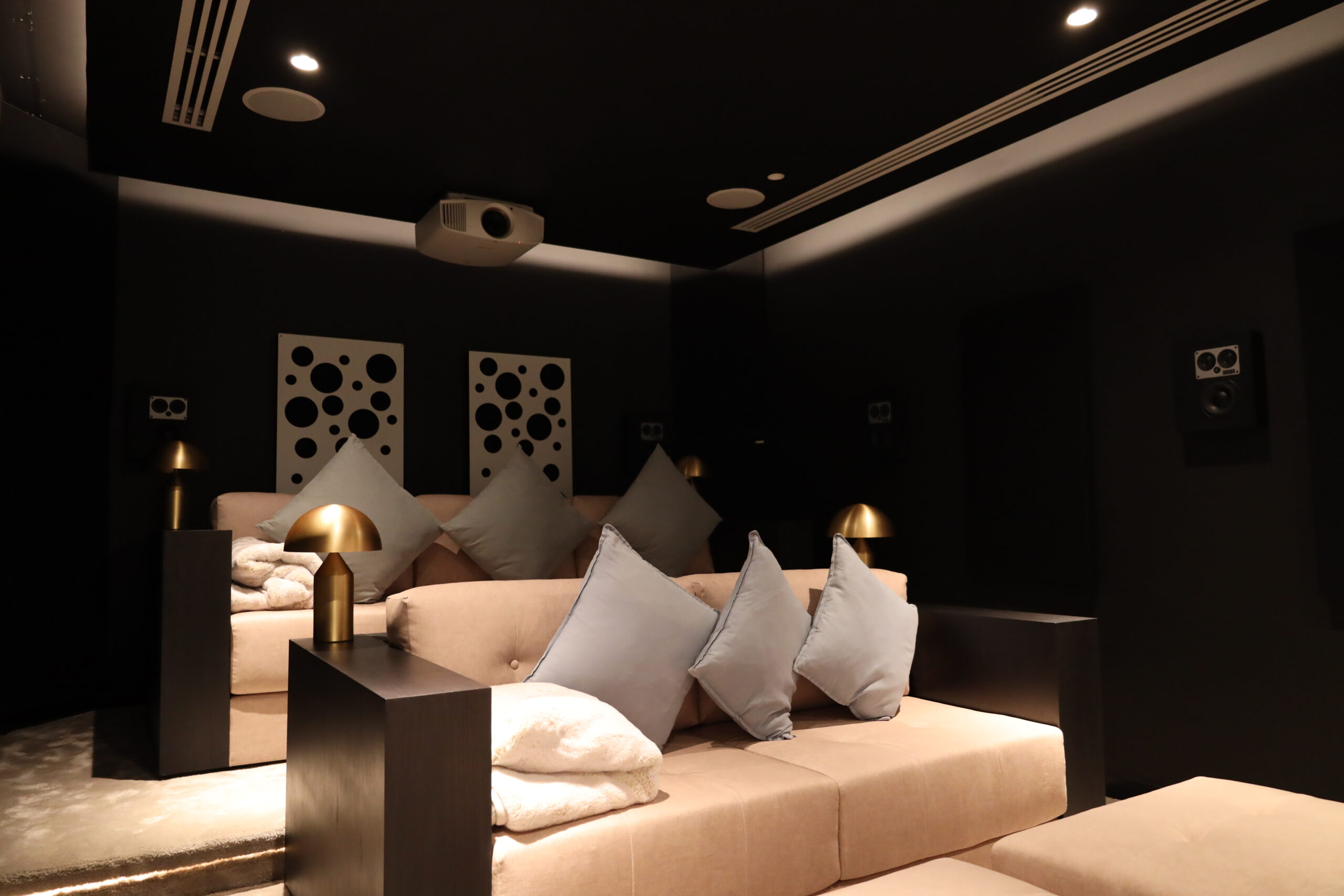
Retail fit out companies in Dubai, including First Unicorn Interiors, price shops by floor area rather than bedrooms as in villa work. Expect AED 45,000-95,000 for small units, AED 95,000-210,000 mid-size and AED 210,000-480,000 large, built over 3-5 to 8-12 weeks plus approvals.
- Mall units in Dubai Hills Mall or Nakheel Mall on Palm Jumeirah need landlord fit-out approval: 10-20 working days.
- Dubai Municipality fit-out plan approval takes 10-15 working days; Civil Defence takes 5-10 working days.
- Indicative retail pricing: AED 80-150 per sq ft basic, AED 150-300 mid, AED 300-500 luxury.
- Small units under 500 sq ft: AED 45,000-95,000, built in 3-5 weeks once approvals are in place.
- Trakhees areas such as Jebel Ali take 15-25 working days for approval; DEWA modifications take 7-14.
- Typical cost
- AED 45K – AED 480K
- Timeline
- 3-5 weeks (small), 5-8 weeks (mid), 8-12 weeks (large)
- Approvals
- Dubai Municipality fit-out plan approval · Dubai Civil Defence fire and life safety approval · DEWA connection or modification approval · Mall landlord fit-out approval · Master developer NOC (Emaar / Nakheel / DAMAC) · Trakhees permit (Palm Jumeirah, Jebel Ali) · DHA approval (aesthetic and treatment rooms only)
Retail fit out companies in Dubai deliver the complete interior build of a shop: partitions, ceilings, flooring, MEP distribution, lighting, the shopfront and display joinery. At First Unicorn Interiors this work is priced by floor area, not by bedroom count as in villa renovation. Indicative ranges are AED 45,000-95,000 for small units under 500 sq ft, AED 95,000-210,000 for mid-size units of 500 to 1,500 sq ft, and AED 210,000-480,000 for large units of 1,500 to 5,000 sq ft. Across all three size bands the overall span is AED 45,000-480,000. On-site build time is 3-5 weeks (small), 5-8 weeks (mid), 8-12 weeks (large), with authority and landlord approvals running before and partly alongside site work. These are indicative ranges only. Final cost depends on finish level, materials sourcing, structural complexity and the developer approval cycle, and it is confirmed only after an on-site survey. Our in-house team has completed 800+ projects, and every fit-out carries a 3-year warranty.
Per square foot, a basic retail fit-out runs at AED 80-150 per sq ft, mid-range at AED 150-300 per sq ft and luxury at AED 300-500 per sq ft. Basic covers a clean, functional unit: gypsum board partitions, painted or exposed ceilings, porcelain or vinyl flooring, standard LED track lighting and off-the-shelf display systems. Mid-range adds bespoke joinery, feature ceilings, branded fitting rooms, better acoustic and lighting control, and a glazed shopfront with a signage bulkhead. Luxury covers natural stone, metal and lacquer detailing, concealed lighting integrated into the joinery, and fully custom shopfronts of the kind found in flagship stores. Two further factors move a project around within its band. Community tier matters because premium malls and high-street addresses apply stricter design criteria. Finish level matters because imported materials and specialist trades raise cost and lead time. We explain where your unit sits in words during the survey rather than quoting a headline number before seeing the site.
Every retail fit-out in mainland Dubai needs authority approval before work starts, and the sequence matters more than the individual durations. Dubai Municipality reviews the building and fit-out plan approval, typically within 10-15 working days. Dubai Civil Defence reviews fire and life safety drawings, covering sprinklers, smoke detection, emergency lighting and exit signage, within 5-10 working days. DEWA handles any connection or load modification within 7-14 working days. Several of these run partly in parallel, so they should never be added together into one long programme. A competent contractor submits complete, coordinated drawings first time, because a single rejected sheet restarts the review clock. First Unicorn prepares architectural, MEP and fire drawings in-house, so the permit packages for each authority match each other. If a mall landlord or master developer NOC is also required, we plan the order so that no authority is waiting on another document.
Mall tenancies add a separate layer of control. Landlords such as Emaar Malls (The Dubai Mall, Dubai Hills Mall), Majid Al Futtaim (Mall of the Emirates and the City Centre portfolio) and Nakheel (Nakheel Mall, Dragon Mart) each publish a tenant fit-out manual. Landlord approval usually takes 10-20 working days, and it adds to authority approval rather than replacing it. The manual fixes the handover window, shopfront line and bulkhead height, the approved fire and MEP subcontractors in some malls, and strict out-of-hours working rules. Noisy or dusty work is often confined to night shifts once neighbouring stores are trading. Landlords also require insurance certificates, method statements and a fit-out deposit before granting site access. Retail fit out companies in Dubai that regularly work inside malls know these manuals well and plan the programme around them. That is the difference between opening on the date in your lease and paying penalties for overrunning the handover window.
Location decides which authority you deal with. Units on Palm Jumeirah, in Jebel Ali and in other Trakhees jurisdictions are permitted by Trakhees rather than Dubai Municipality, and approval there typically takes 15-25 working days. Street retail and community centres inside master-planned developments need a master developer NOC first: Emaar in Dubai Hills and Arabian Ranches, Nakheel in Jumeirah Village and the Palm, and DAMAC in its communities. That NOC usually takes 10-20 working days and varies by community. In DAMAC communities, including DAMAC Hills, Akoya, DAMAC Lagoons and DAMAC Islands, the community management NOC runs 5-15 working days. It is applied for through the DAMAC Living app, with an admin fee of AED 1,050-5,000 and a refundable security deposit of AED 5,000-20,000 held against common-area damage and overruns. Routing differs within DAMAC too: DAMAC Hills goes through the Dubai Development Authority (DDA), while DAMAC Hills 2 goes through Dubai Municipality.
Some retail units carry extra regulatory weight because of what they sell. Aesthetic clinics, beauty bars offering medical treatments and pharmacies with consultation rooms fall under the Dubai Health Authority (DHA). DHA approval for aesthetic and medical treatment rooms typically takes 15-25 working days. It applies only to those rooms, not to the whole shop, but it shapes the layout: wash-hand basins, clean and dirty utility separation, wall and floor finishes that can be cleaned, and ventilation suited to clinical use. Food and beverage concepts inside retail spaces need Dubai Municipality food safety input on kitchen layout, grease traps and extract routes. Jewellery and luxury stores often need security, safe rooms and CCTV coordinated with mall security. Each of these specialist requirements is something to raise in the first survey conversation. Discovering a DHA or food safety requirement after the drawings are submitted is one of the most common causes of delay in Dubai retail projects.
Dubai's climate shapes almost every MEP decision in a retail fit-out. Glazed shopfronts facing a mall atrium behave differently from units facing open-air boulevards in places like City Walk or The Beach at JBR, where solar gain is high and doors open constantly. Cooling is usually supplied as chilled water from the landlord or a district cooling provider such as Empower, so fan coil units, ductwork and controls have to be sized and approved against the landlord's design criteria. Humidity drives condensation risk on ducts and at shopfront thresholds, so insulation and vapour barriers need careful detailing. Civil Defence requires sprinkler heads, smoke detectors and emergency lighting to be repositioned to suit the new ceiling layout. DEWA load calculations must cover display lighting, signage and any equipment. Fine sand gets into exposed units, so we specify sealed lighting fittings and filters suited to Gulf conditions.
Material choice in a Dubai retail unit has to survive heavy footfall, strong air conditioning and frequent cleaning while still meeting Civil Defence and landlord rules. Every board, door, ceiling tile and fabric must carry the fire rating the authority and the fit-out manual require, and certificates are checked at inspection. For floors, large-format porcelain and engineered stone hold up best in high-traffic fashion and electronics stores. Luxury vinyl suits smaller boutiques where acoustics and comfort matter. Joinery uses moisture-resistant boards with high-pressure laminate, lacquer or veneer, depending on the tier. Quartz and sintered stone are popular for cash wraps and counters. Lighting is LED throughout, both for energy efficiency under Dubai's green building regulations and because cooler-running fittings reduce the cooling load. Sourcing affects time as well as cost. Locally stocked materials keep a programme inside its handover window, while imported stone and bespoke metalwork need longer lead times built in from day one.
Choosing between retail fit out companies in Dubai comes down to a few checkable criteria. First, confirm the contractor holds a valid trade licence covering fit-out works and is registered for the jurisdiction your unit sits in, whether Dubai Municipality, Trakhees or DDA. Second, ask whether the team is in-house or subcontracted: in-house carpenters, MEP technicians and site supervisors give tighter control over quality and night-shift scheduling inside malls. Third, check that they have delivered projects with your specific landlord, because Emaar, Majid Al Futtaim and Nakheel manuals differ in practice. Fourth, ask for contractor's all-risk and third-party liability insurance in the amounts your landlord's manual specifies. Fifth, compare warranties in writing. First Unicorn gives a 3-year warranty backed by an in-house team and 800+ completed projects. Finally, make sure any quote is described as indicative until an on-site survey confirms dimensions, services and landlord requirements.
Recent completed project: a mid-size fashion boutique in a major Dubai mall. In before/after terms, the unit was handed to us as bare shell and core: an exposed slab, capped chilled-water and power stubs, sprinkler mains at slab level and a hoarded shopfront opening. The tenant had a fixed handover window under the mall's fit-out manual and a brand opening date already announced. We prepared the landlord submission and the Dubai Municipality, Civil Defence and DEWA approval packages in parallel, then worked night shifts under the mall's out-of-hours rules once neighbouring stores were trading. The finished store has a fully glazed shopfront with an illuminated signage bulkhead, a feature ceiling with concealed linear lighting, oak-veneer wall displays, two fitting rooms with acoustic doors, and a quartz cash wrap. Sprinklers, detectors and fan coil units were relocated to suit the new ceiling, and the store passed Civil Defence inspection and landlord sign-off within the handover window.
Most delays in Dubai retail fit-outs happen on paper, not on site. A fit-out that is ready to build but still waiting for a landlord comment, a Civil Defence resubmission or a DEWA load approval is costing the tenant rent with nothing to show for it. Our process puts design, approvals and procurement on one programme. Long-lead items such as shopfront glazing, bespoke joinery and imported finishes are ordered as soon as drawings are frozen, while approvals are still under review. Site work then starts the day the permit arrives, and our in-house joinery workshop builds display units off-site so the mall unit is occupied for less time. For tenants this means the 3-5 weeks (small), 5-8 weeks (mid), 8-12 weeks (large) build windows are achievable within a landlord's handover period. One recent tenant summed it up: "First Unicorn handled the mall approval and the night shifts, so we opened on the exact date our landlord set." — Rashid K.
Handover is where a contractor shows whether they will stand behind their work. Before we hand a store back, we run a snagging walk with the tenant, test every circuit, lighting scene and fan coil unit, and arrange the final Civil Defence inspection and landlord inspection. We then hand over as-built drawings, material certificates and equipment warranties in one pack, ready for your mall operations team. The 3-year warranty covers our workmanship, and because the team is in-house, the same people who built the store are the ones who come back if something needs attention. To start, send your unit number, landlord name and approximate floor area on WhatsApp at +971 58 565 8002. We will book an on-site survey, review your landlord's fit-out manual and confirm which approvals apply. Then we give you an indicative range based on the canonical bands above, refined once your unit's real conditions are known.
Definitions
- Fit-out manual
- The landlord's rulebook for a mall or retail podium. It sets design criteria, approved materials, shopfront rules, working hours, deposits and the documents a tenant's contractor must submit before work starts.
- Shell and core
- The condition a retail unit is handed over in: structure, slab, basic services stubs and a blank shopfront opening, with no ceilings, finishes, lighting or internal MEP distribution.
- NOC (No Objection Certificate)
- Written consent from a master developer or community manager, such as Emaar, Nakheel or DAMAC, that a tenant or owner may carry out works. It is usually needed before authority approval is issued.
- Civil Defence completion certificate
- The sign-off from Dubai Civil Defence confirming fire alarm, sprinklers, emergency lighting and escape routes in the finished unit meet the UAE Fire and Life Safety Code, so the shop can open to the public.
- Handover window
- The fixed period a landlord gives a tenant to complete the fit-out before trading must begin. Overruns can trigger penalties under the lease or the fit-out manual.
- Trakhees
- The regulator for developments under Ports, Customs and Free Zone Corporation, including Jebel Ali and parts of Palm Jumeirah. It issues building and fit-out permits in place of Dubai Municipality.
How we run a retail fit-out project
- Site survey and brief. We measure the unit, inspect the shell-and-core services and review your landlord's fit-out manual. You get an indicative range in AED based on floor area and finish tier, confirmed after the survey.
- Concept and detailed design. Our in-house designers develop layouts, shopfront elevations, ceiling and lighting plans and joinery details to your brand guidelines. MEP and fire drawings are coordinated at the same time so every submission matches.
- Landlord and developer approval. We submit the design package to the mall landlord or master developer for approval or NOC. Comments are resolved quickly so the authority submissions are not held up.
- Authority permits. We file Dubai Municipality, Civil Defence and DEWA applications, or Trakhees or DDA where applicable, running them partly in parallel. DHA approval is added for any treatment rooms.
- Procurement and off-site joinery. Long-lead items such as glazing, stone and bespoke metalwork are ordered as soon as drawings are frozen. Display units are built in our workshop to cut time on site.
- Build within landlord rules. Our in-house crews carry out partitions, ceilings, MEP, flooring and installation, working out-of-hours where the fit-out manual requires it. A site supervisor reports progress against the handover window.
- Inspections, snagging and handover. We arrange Civil Defence and landlord inspections, complete snagging and hand over as-built drawings and certificates. Your store is covered by our 3-year warranty from handover.
Tier comparison
| Tier | Scope / spec | Typical AED |
|---|---|---|
| Budget | Gypsum partitions, painted or exposed ceilings, porcelain or vinyl floors, standard LED track lighting, modular display systems. | AED 80-150 per sq ft |
| Mid-range | Bespoke joinery, feature ceilings, branded fitting rooms, glazed shopfront with signage bulkhead, lighting control. | AED 150-300 per sq ft |
| Premium | Natural stone and metal detailing, concealed lighting built into the joinery, custom shopfront, upgraded acoustics. | AED 300-500 per sq ft |
| Ultra-luxury | Flagship-level bespoke finishes and imported materials at the top of the luxury band; specialist items confirmed after survey. | AED 300-500 per sq ft (upper end) |
See exactly where every dirham goes — no hidden costs, no scope creep.
Get my free quote on WhatsApp →
Frequently asked questions
How much do retail fit out companies in Dubai charge?
How long does a retail fit-out take in Dubai?
Which approvals does a mall shop need?
Is the process different on Palm Jumeirah or in Jebel Ali?
What does a DAMAC community NOC involve for retail units?
Do you warranty retail fit-outs?
- Fixed-price contract — fully itemized, no hidden costs or mid-project surprises.
- 3-year workmanship warranty on every project.
- In-house team — designers, engineers and trades under one roof, no subcontractor markups.
- Approvals handled — we manage Dubai Municipality, DEWA and developer NOCs for you.
- 800+ projects delivered across Dubai.
Free quote — same-day reply
WhatsApp the team on +971 58 565 8002. 800+ projects delivered. Fixed price, 3-year warranty, approvals handled.
Sources & references
- Dubai Municipality: building and fit-out permits
- Dubai Civil Defence: fire and life safety approvals
- DEWA: electricity and water connection services
- Trakhees: permits for Jebel Ali and PCFC jurisdictions
- Dubai Development Authority: building permits
- UAE Government portal: business and licensing information