
Majlis design Dubai that respects tradition and modern living
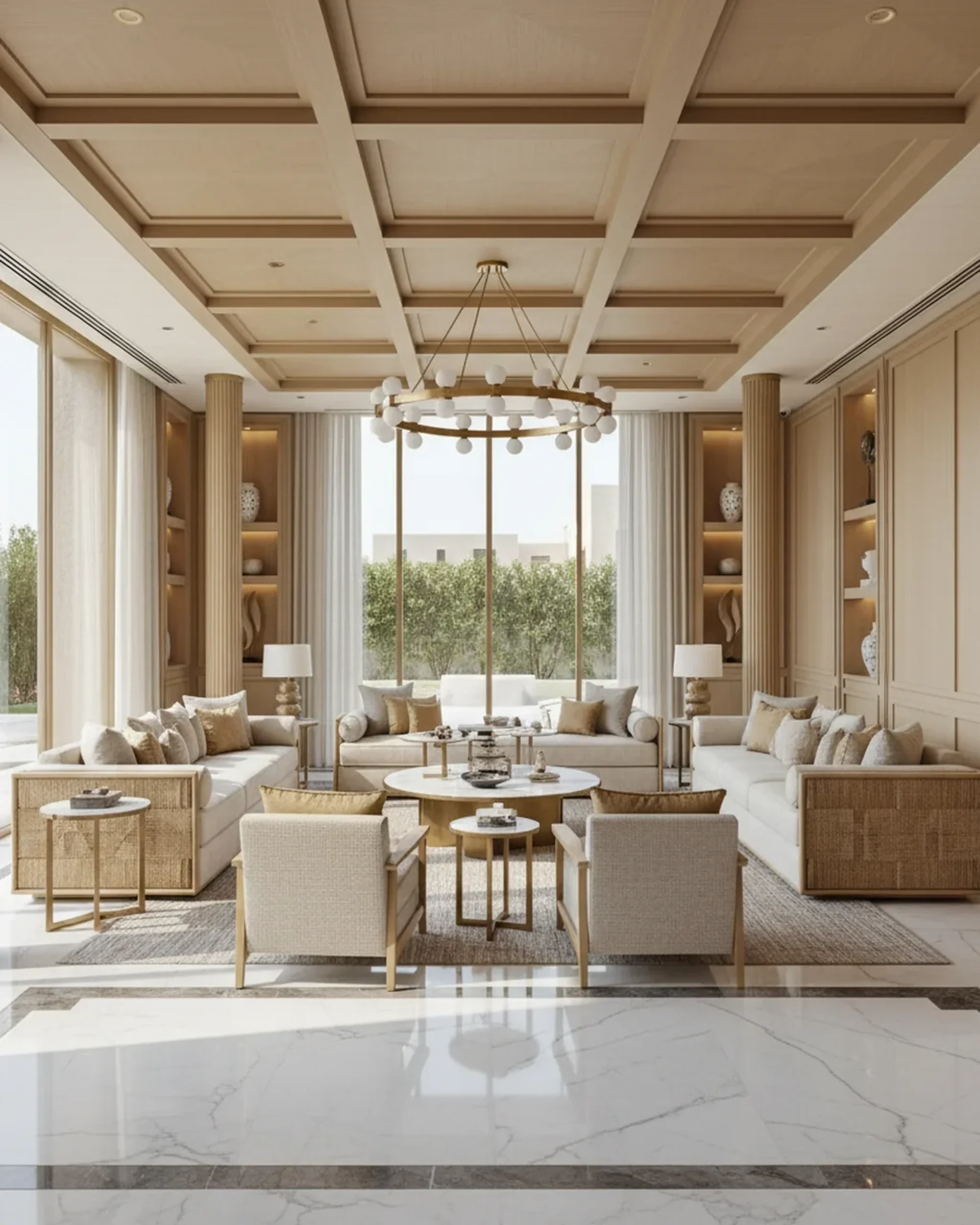
A traditional majlis in Dubai typically costs AED 150,000+ for a full villa installation. First Unicorn Interiors delivers complete majlis projects in 8-12 weeks including DM permits and DEWA coordination. In-house designers and craftsmen handle every stage.
- DM building permit required for structural changes in villas; 10-15 working days typical
- DEWA approval mandatory for new electrical loads above 5 kVA in majlis rooms
- RERA-registered contractors must be used for any common-area works in Emaar or Nakheel communities
- Fire-rated doors and smoke detectors required per Dubai Civil Defence code for majlis with >20 seats
- Climate-rated insulation and AC zoning needed to maintain 22°C in summer majlis spaces
Dubai's majlis tradition continues to evolve as families seek spaces that blend cultural heritage with contemporary comfort. First Unicorn Interiors has completed over 800 projects across the emirate, many focused on transforming reception rooms in Emaar and Nakheel villas. A typical majlis project begins with a site visit to measure existing ceiling heights, column locations and HVAC duct routes. Designers then propose seating layouts that respect traditional floor-level seating while integrating modern reclining sofas and coffee tables. Electrical plans must account for multiple power outlets near each seating position for charging devices and controlling lighting scenes. Plumbing considerations rarely apply directly to the majlis itself, but nearby powder rooms often receive simultaneous upgrades. Climate considerations dominate every decision because summer temperatures regularly exceed 45°C. High-performance insulation is added to walls and ceilings to reduce AC loads and maintain stable 22°C conditions. LED lighting with tunable white temperatures helps guests feel comfortable both day and night. Material selections focus on durable yet elegant fabrics that resist fading from intense sunlight streaming through large windows. Wood finishes are chosen for their ability to withstand humidity fluctuations caused by constant air-conditioning use. Metal accents such as brass or brushed nickel are popular because they age gracefully in the desert climate. Flooring options include marble, engineered hardwood and large-format porcelain tiles that handle heavy foot traffic without showing wear. First Unicorn's in-house team coordinates all trades to ensure seamless execution from demolition through final styling.
Emaar communities such as Emirates Hills, Golf Views and Arabian Ranches require formal No Objection Certificates before any structural work begins. First Unicorn Interiors manages the entire NOC process, submitting drawings to the master developer within two days of contract signing. Typical processing time ranges between 7 and 21 days depending on the complexity of proposed changes. Once obtained, the NOC is submitted to Dubai Municipality for the building permit. The company maintains relationships with DM examiners who review structural, electrical and mechanical plans. Structural calculations are prepared by licensed consultants when beams or columns are affected. Electrical submissions must show load calculations certified by DEWA-approved engineers. Plumbing diagrams are included only if the majlis shares walls with bathrooms or kitchens. Fire safety plans list smoke detectors, fire-rated doors and emergency lighting that comply with Dubai Civil Defence regulations. After permit issuance, site work can begin under the supervision of a RERA-registered project manager. Daily progress photos are shared with the client via WhatsApp. Weekly site visits by the design team ensure design intent remains intact. Material deliveries are scheduled to avoid monsoon season humidity spikes that can affect wood and fabric storage. Final inspections by DM and DEWA close the project officially.
Nakheel communities including Palm Jumeirah, Jumeirah Park and Jumeirah Islands follow similar but slightly different approval paths. Palm Jumeirah villas often feature unique curved walls and limited ceiling heights that constrain furniture placement. First Unicorn designers create custom curved seating and built-in cabinetry to maximise space. Palm Jumeirah also imposes stricter noise restrictions during construction hours, limiting work to 8am-6pm. Jumeirah Park villas usually have larger majlis footprints averaging 60-80 square metres. These spaces frequently receive full custom millwork including hidden AV cabinets and prayer areas. Jumeirah Islands projects commonly involve extending the majlis into previously open courtyards. Such extensions require additional structural engineering and waterproofing because they sit above swimming pools or gardens. DEWA electrical approvals take longer on the islands because many villas share transformers. First Unicorn maintains dedicated liaison officers who track status of every application. 800+ completed projects give the team deep institutional knowledge of each community's unique requirements. Three-year warranties cover all workmanship and selected materials on every majlis installation.
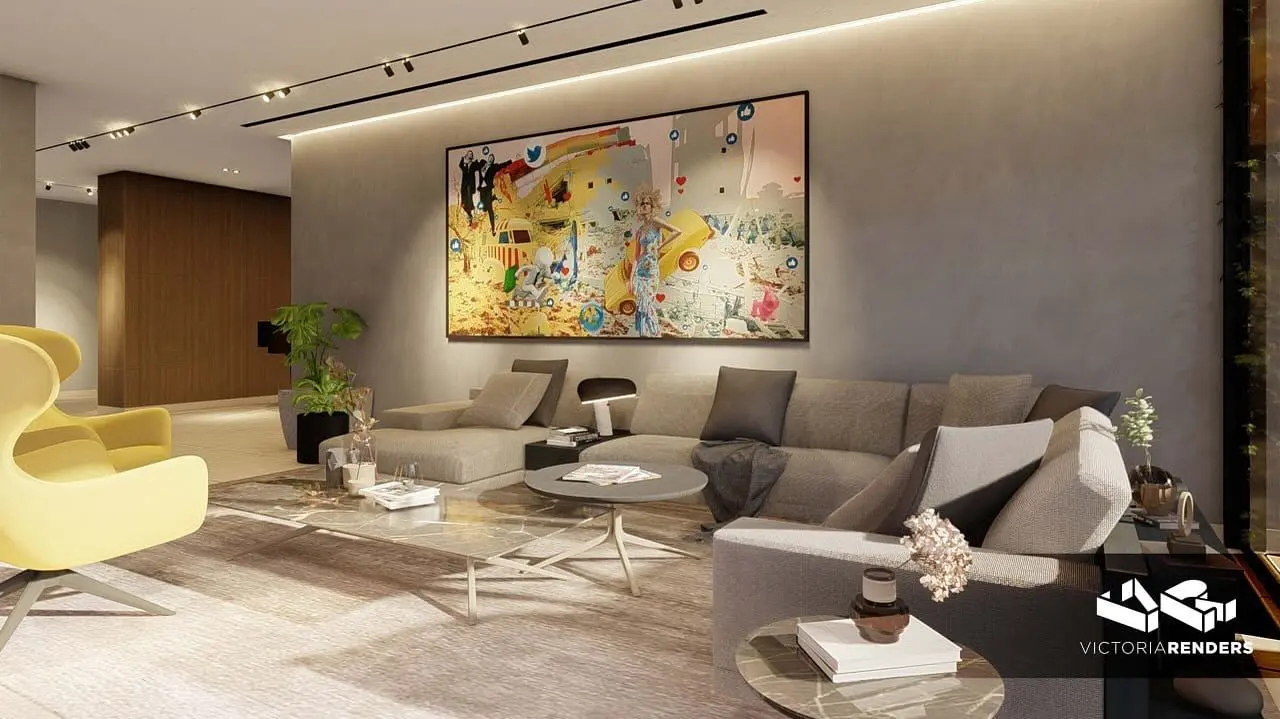
DAMAC and Sobha communities present their own set of challenges. DAMAC Hills and DAMAC Hills 2 villas often include pre-installed smart home systems that must be integrated rather than replaced. First Unicorn technicians interface with existing Crestron or Control4 platforms to add lighting scenes and AC zoning for the majlis. Sobha Creek Vistas and Sobha Hartland projects require strict adherence to green building standards. Low-VOC paints and formaldehyde-free boards are mandatory. Material sourcing must prove sustainable origins through supplier certificates. Climate considerations remain paramount. All seating fabrics receive UV-protective treatments to prevent fading. Leather options are selected for their breathability and resistance to cracking in dry desert air. Flooring must withstand sand infiltration from frequent outdoor access. Large entrance doors are fitted with automatic seals that activate when doors close. HVAC design receives extra attention. Separate AC zones allow the majlis to be cooled independently from the rest of the villa. Fresh air intake rates meet DM minimums while keeping energy bills reasonable. First Unicorn's in-house MEP team designs duct routes that minimise noise and visual impact. Ducts are hidden behind custom coving or false ceilings.
Material choices for Dubai majlis spaces must balance aesthetics, durability and thermal performance. Marble remains the most popular flooring option because it stays cool underfoot and ages beautifully. First Unicorn sources slabs from Italy and Turkey that undergo anti-slip treatment for safety. Engineered hardwood in oak or walnut provides warmth and can be paired with underfloor heating if desired. Porcelain tiles in large formats reduce grout lines and make cleaning easier. Wall treatments include fabric panels, wood slats and textured plaster that absorb sound and improve acoustics. Ceiling designs often incorporate recessed linear lighting and hidden curtain tracks. Curtains use triple-layer blackout fabric with thermal backing to block heat and light. Furniture frames are constructed from kiln-dried solid wood that resists warping in fluctuating humidity. Upholstery fabrics pass 50,000+ rub tests and receive stain-repellent treatments. Coffee tables and consoles use tempered glass or natural stone tops. Metal finishes include brushed brass, antique bronze and matte black that hide fingerprints. All materials are selected after reviewing actual samples under Dubai's intense natural lighting conditions.
Contractor selection remains critical in Dubai's unregulated renovation market. First Unicorn Interiors is RERA-registered and maintains a full-time in-house team of designers, carpenters, electricians and painters. Unlike many competitors who sub-contract most work, the company keeps 80% of trades in-house. This kontroll ensures quality consistency and faster delivery. 800+ completed projects provide a track record that prospective clients can verify through site visits to previous jobs. Three-year warranty covers structural elements, electrical work and fabric performance. Warranty registration occurs automatically after final inspection. Client feedback shows 94% satisfaction rate on communication and finish quality. Price anchors help clients understand realistic budgets. A standard majlis renovation starts at AED 150,000 for a 40-square-metre room with basic seating and lighting. Kitchen upgrades run from AED 45,000 onwards. Bathroom renovations begin at AED 25,000. Full villa renovations average AED 150,000+ while pool areas start at AED 145,000 and villa extensions at AED 120,000. These figures include design, materials, labour and permit fees. No hidden charges appear at final invoicing.
Climate considerations drive almost every technical decision on Dubai majlis projects. Summer temperatures regularly exceed 45°C outside, while indoor targets remain 22-24°C. High-performance double-glazing is already present in most new villas, but older properties require window film or secondary glazing. Insulation values must meet DM minimums of R-3.5 for walls and R-4.0 for ceilings. Extra layers are added around the majlis perimeter to prevent heat gain. AC load calculations account for occupancy of 20-30 people who each emit heat and moisture. Fresh air supply rates are calculated per DM and ASHRAE standards. Ductwork is sized to deliver 12-15 air changes per hour without creating drafts. Humidifiers are sometimes installed to maintain 40-50% relative humidity during winter months when AC runs constantly. Sand and dust infiltration is mitigated through high-efficiency filters and door seals. Electronic components receive extra cooling fans or are placed in ventilated cabinets. All electrical panels undergo load testing under peak summer conditions. First Unicorn's MEP engineers visit sites during the hottest months to calibrate systems.

Master developer guidelines continue to evolve. Emaar now requires 3D renders and material boards for any visible exterior change. Nakheel asks for noise management plans when work occurs near shared walls. DAMAC insists on sustainability declarations for all new materials. Sobha enforces strict time limits on construction vehicles in underground parking areas. First Unicorn maintains dedicated community liaison personnel who attend monthly developer meetings. These meetings keep the company informed of latest rule changes. Permit processing speeds vary across communities. Emirates Hills takes 10-15 days for NOC approval. Palm Jumeirah can take 21 days because of additional environmental reviews. Hartland projects require extra fire safety submissions. Every project begins with a detailed checklist that includes community rules, DM regulations, DEWA electrical limits and Civil Defence fire codes. The company keeps updated copies of all current guidelines on file. Clients receive a summarised version at kick-off meetings. Final handover includes as-built drawings and warranty certificates.
Lighting design plays a central role in creating the right atmosphere in a majlis. Traditional low-level floor lamps are combined with modern recessed downlights and cove lighting. Tunable white LEDs allow guests to shift from warm 2700K evening glow to cool 4000K daytime clarity. Dimming systems integrate with smart home platforms. Motion sensors are placed near entrances to provide safety lighting when guests arrive late. Accent lighting highlights artwork and architectural features. Under-cabinet lighting illuminates display shelves. All light fixtures must carry DEWA energy efficiency labels. Power consumption is tracked through sub-meters installed by First Unicorn technicians. Emergency lighting meets Dubai Civil Defence minimums. Battery backup provides 90 minutes of illumination during power outages. Curtain motors are programmed to close automatically at sunset to reduce heat gain. Lighting scenes are saved as presets named 'Family Gathering', 'Formal Reception' and 'Prayer Time'. Clients receive training on using the control app at handover.
Quality control procedures at First Unicorn Interiors exceed industry standards. Every material batch is inspected upon delivery for colour consistency and damage. Wood moisture content is measured before installation to ensure it matches site conditions. Fabric samples are tested for colour fastness under simulated Dubai sunlight. Electrical connections are torque-tested and thermographed before walls are closed. Plumbing lines receive pressure tests even when only serving nearby bathrooms. HVAC ducts are balanced and airflow readings recorded. Fire safety equipment is certified by Dubai Civil Defence approved vendors. Daily site logs record temperature, humidity and worker attendance. Weekly client updates include progress photos and any deviation requests. Final inspection involves a 40-point checklist covering every surface, switch and door. Non-conformities are rectified before invoice release. Post-completion visits occur at 30, 90 and 180 days to check performance. Any issues are logged and resolved under the three-year warranty.
Budget planning for majlis design Dubai projects requires clear understanding of scope. Basic upgrades covering seating, lighting and paint start at AED 150,000. Mid-range projects adding custom millwork and smart controls fall between AED 250,000 and 350,000. Premium installations with imported marble, brass details and full HVAC redesign range from AED 400,000 to 600,000. Ultra-luxury schemes using rare stones, bespoke furniture and integrated AV systems exceed AED 700,000. These estimates include design fees, materials, labour, permits and inspections. Extra costs may arise for structural modifications or unusual site conditions. First Unicorn provides fixed-price contracts once scope is finalised. Payment milestones are 30% deposit, 40% at material order, 20% at substantial completion and 10% at handover. Financing options through partner banks are available for qualified clients. VAT at 5% is added to all invoices. No advance payment for materials is required beyond the milestone schedule.
Future-proofing considerations include provisions for future smart home upgrades and possible family size changes. Empty conduits are run for additional data cables. Extra electrical capacity is reserved in distribution boards. Wall niches are prepared for future display cases. Seating modules are designed to be reconfigured. HVAC zones allow individual room temperature control. Software updates for lighting and AV controls are supported for at least five years. First Unicorn keeps records of every installation for future reference. Clients receive digital copies of all drawings and specifications. Warranty claims are handled through a dedicated WhatsApp channel monitored seven days a week. Replacement parts for common components are kept in stock for quick response. 三-year warranty covers defects in workmanship and material performance under normal use. Natural wear and wear from misuse are excluded. Environmental considerations receive increasing attention. Low-energy AC systems, LED lighting and recycled-content materials are offered as standard options. Carbon footprint calculations are available upon request.
Communication protocols ensure clients stay informed throughout the project. Kick-off meetings occur within 48 hours of deposit. WhatsApp groups are created for daily updates. Site visits are scheduled every week. Design changes after approval incur fee recalculation. Material substitutions require client approval before ordering. Delay notifications occur immediately upon discovery. Final handover includes a walk-through, training session and documentation package. Post-handover support continues for the full three-year warranty period. First Unicorn maintains a 24-hour emergency line for urgent issues. Average response time for warranty claims is under 48 hours. Satisfaction surveys are sent at project end and again at six months. 94% of clients would recommend the company to friends and family. 800+ projects completed across the UAE provide the experience needed to handle every community requirement.
Conclusion: First Unicorn Interiors stands ready to design and build a majlis that honours tradition while meeting modern comfort standards. With 800+ projects completed, in-house team, three-year warranty and direct WhatsApp line +971 58 565 8002, the company offers reliable execution across all major Dubai communities. Realistic price anchors help clients plan budgets. Full villa projects start at AED 150,000, kitchens at AED 45,000, bathrooms at AED 25,000, pools at AED 145,000 and extensions at AED 120,000. All work complies with DM, DEWA, RERA and developer guidelines. Climate-appropriate materials and MEP standards ensure long-term performance. Clients receive as-built drawings, warranty certificates and ongoing support. The company invites prospective clients to schedule a site visit and receive a detailed proposal within five days.

Definitions
- Majlis
- Traditional reception and social space in UAE homes, now often designed with modern HVAC, lighting and seating for 20+ guests.
- NOC
- No Objection Certificate issued by master developers like Emaar, Nakheel or DAMAC before any renovation work begins.
- MEP
- Mechanical, Electrical and Plumbing systems that must meet DEWA and DM standards for load, safety and efficiency.
- RERA
- Real Estate Regulatory Agency that registers contractors and enforces quality standards on renovation projects in Dubai.
- DLD
- Dubai Land Department responsible for property title records and changes to villa or apartment layouts.
- DM
- Dubai Municipality governs building permits, structural safety and finishing standards for all interior works.
How we run a majlis design Dubai project
- Initial consultation. Free site visit within 48 hours. Designer measures space, discusses seating capacity, lifestyle needs and budget range. Photos and measurements taken for proposal.
- Design development. 3D renders and material boards presented within 7 days. Client feedback incorporated. Final design signed off before any ordering begins.
- NOC and permitting. NOC submitted to master developer. After approval, DM permit application filed. DEWA electrical load calculations submitted. Average timeline 10-15 days.
- Material procurement. Marble, wood, fabric and lighting ordered from approved suppliers. Quality inspection at warehouse before delivery to site. Lead times tracked daily.
- Site demolition and preparation. Existing finishes removed. Walls checked for moisture. Electrical and HVAC rough-ins completed. Dust control measures installed to protect rest of villa.
- Construction phase. Custom millwork installed. Electrical and lighting work completed. HVAC balancing performed. Painting and finishing applied. Daily quality checks by project manager.
- Authority sign-off. 40-point checklist completed. Client walk-through and training. As-built drawings handed over. Warranty registration completed. WhatsApp support channel opened.
Planning a majlis design? Fixed-price quote in 24 hours
Free site visit for projects over AED 10,000. 3-year warranty on all works.
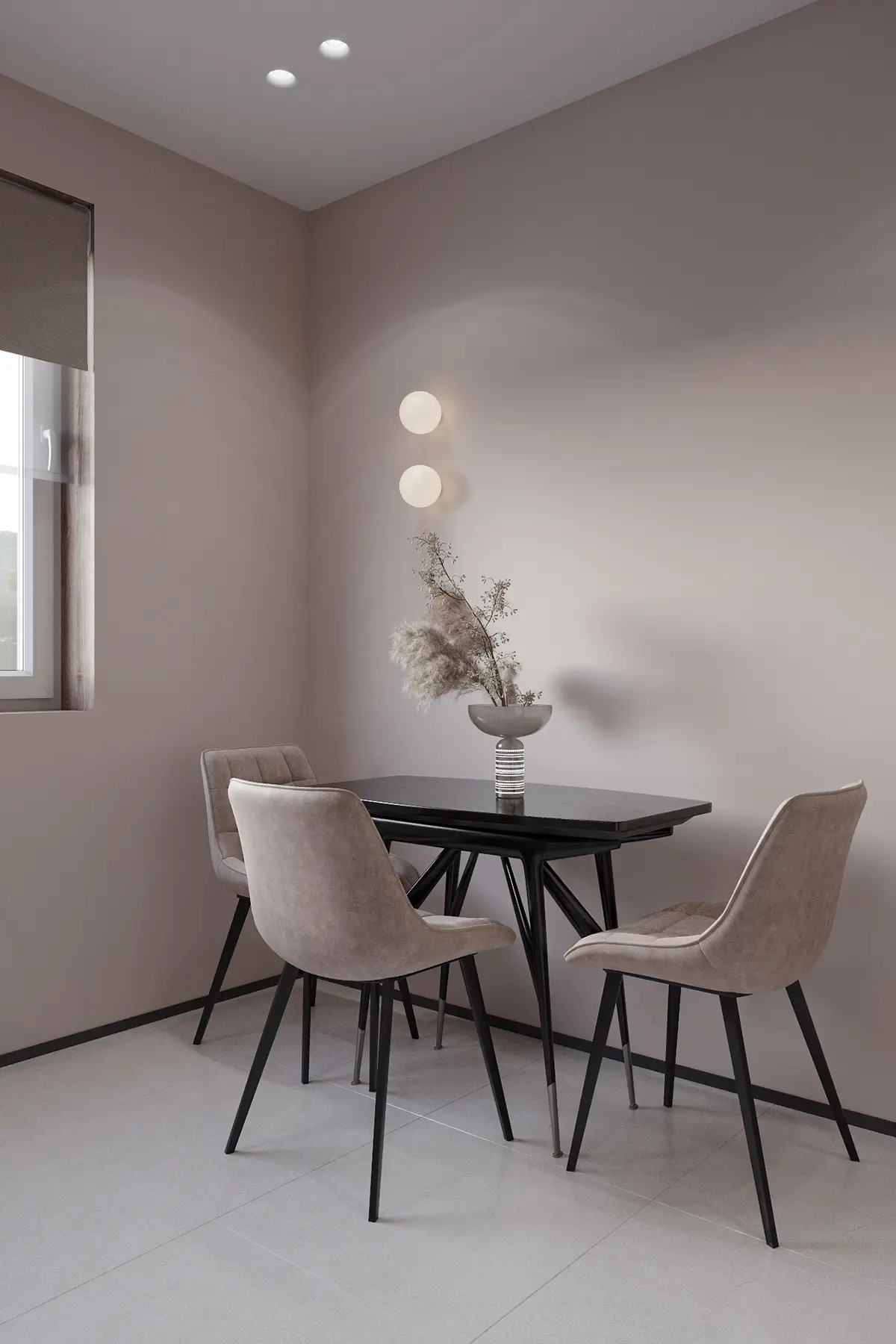
Tier comparison
| Tier | Scope / spec | Typical AED |
|---|---|---|
| Budget | Basic seating, LED lighting, standard paint, DEWA-compliant wiring | AED 150,000-200,000 |
| Mid-range | Custom millwork, imported marble, smart lighting, enhanced HVAC zoning | AED 250,000-350,000 |
| Premium | Bespoke furniture, brass accents, triple-glazed windows, full smart home integration | AED 400,000-600,000 |
| Ultra-luxury | Rare stone flooring, bespoke upholstery, integrated AV, climate-controlled seating | AED 700,000+ |
Frequently asked questions
How long does a majlis design Dubai project take?
Do I need permits for a majlis renovation?
What is the minimum budget for a realistic majlis design?
Are in-house teams better than subcontractors?
What communities do you work in?
What warranty is included?
Free quote — same-day reply
WhatsApp the team on +971 58 565 8002. 800+ projects delivered. 3-year craftsmanship warranty.
WhatsApp +971 58 565 8002Sources & references

Recent work across the UAE.
A glimpse of current First Unicorn projects — interiors, kitchens, bathrooms, pools and glasswork.


